
September 2026 · Phoenix Drywall Repair LLC

A fireplace is supposed to be the focal point of a living room — not a source of cracked drywall, soot-stained walls, and chipped plaster above the mantel. But in Phoenix homes, the combination of seasonal temperature swings, gas heat cycling, and the region's dry air makes the drywall in the fireplace zone more prone to damage than almost any other wall in the house. If you're noticing cracks above the firebox opening, staining on the surrounding wall, or loose material where a mantel was attached or removed, this guide explains what you're dealing with and what it takes to fix it.
The drywall around a fireplace isn't always standard drywall. Depending on how the fireplace was built and when — and whether it meets current code — there may be fire-rated Type X drywall, cement board, or even a section of tile board that abuts the standard wall material. Getting the repair right means understanding what material is there before cutting into anything.
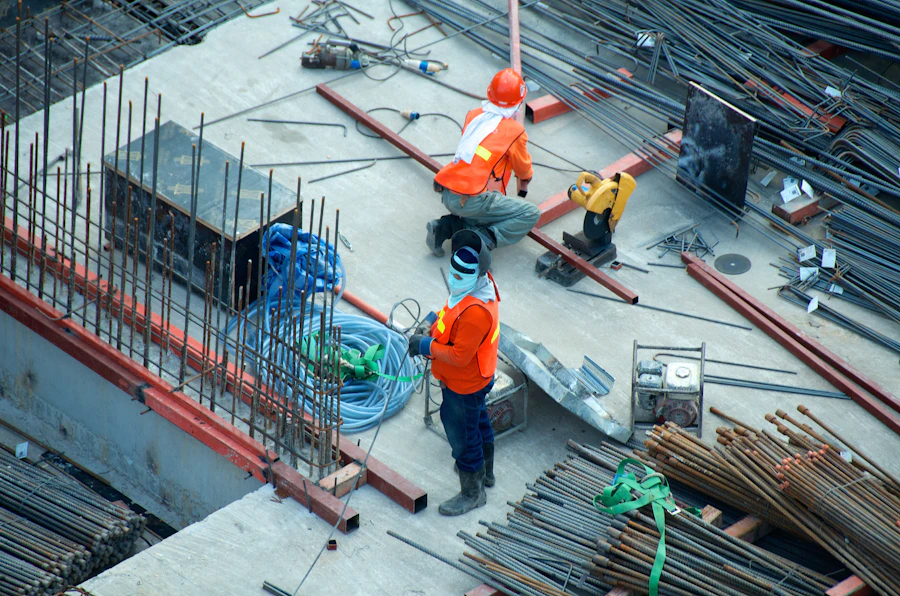
A proper fireplace drywall repair requires the right materials for the zone
Drywall expands and contracts with temperature — and so does the framing behind it. In most rooms, that movement is slow and even. Near a fireplace, especially a gas fireplace that cycles on and off multiple times a day in winter, you get repeated, localized heating and cooling of the wall cavity directly above and to the sides of the firebox. Over years, that repeated movement creates cracks at the seams and at the corners where the surround meets the rest of the wall.
Phoenix adds another layer. The Valley's air is extremely dry, and dry air desiccates joint compound over time. Seams that were finished properly when the house was built can open up after a decade of low humidity, and the fireplace zone — where heating cycles push humidity even lower — often shows this first.
Common cracking patterns near fireplaces:

Assessing what's original drywall vs. cement board before starting
Gas fireplaces are cleaner than wood-burning ones, but they're not spotless. Over time, soot and off-gases from the combustion chamber can migrate out of the firebox opening — especially if the damper is cracked, the glass seal has worn, or the logs have shifted and are directing combustion products toward the front of the unit. The result is a grey-brown stain on the drywall directly above the firebox opening. It's often subtle at first and gets worse gradually until someone notices it under raking light.
Soot penetrates paint and the surface of the drywall. You can't simply repaint over it. The soot contains carbon and oils that will bleed through standard primer and paint within weeks, leaving a yellowish or grey ghost on the finished surface. The correct approach is to seal the stain with a shellac-based primer (like Zinsser BIN) before any finish coats — and if the staining is deep and the paper face of the drywall has been compromised, the panel section needs to come out and be replaced.
If the soot staining has been painted over multiple times, there's often a bubbling or peeling situation happening at the surface as well. That requires scraping back to stable material and resurfacing before priming.
Mantels are heavy. A solid wood mantel, even a modest one, can weigh 60–100 pounds — and the lag bolts or structural screws holding it to the framing go through the drywall. When a mantel is installed, the drywall around the fasteners takes stress. When a mantel is removed — for remodeling, replacing with a different style, or because the homeowner is doing a full fireplace renovation — the fastener holes are often large and ragged, and the drywall around them is frequently cracked or crushed from the original mounting force.
Beyond the fastener damage, mantels often have a base plate or ledger board that was caulked, glued, or butted tight against the wall. Pulling that off usually takes some of the drywall paper with it, leaving a rough patch that shows through paint. The original installation may also have involved cutting the drywall to fit around the firebox surround, and those cut edges are rarely pretty once exposed.
A mantel removal-and-reinstall job typically involves: filling the old fastener holes, skim-coating the base plate ghost area, repairing any torn paper face, and texture matching the entire surround zone before repainting. If you're installing a new, larger mantel, the repair scope shrinks — but you still need the wall surface in good shape where the new mantel will contact it.
This matters before any cutting or patching. Building codes require fire-resistant materials in the "clearance zone" around a fireplace — the specific distances vary by the type of fireplace and the era of construction, but in general:
Before doing any repair in this zone, it's worth knowing what you're patching into. If the existing surround material is cement board (it feels harder and heavier than drywall, and you can't snap it like drywall), you can't patch it with standard joint compound — you need a compatible system. If it's Type X drywall, replacement patches should also be Type X in the same zone.
If you're not sure what's there, let a pro take a look before you start cutting. Replacing the wrong material in a fire-proximity zone can affect your homeowner's insurance coverage if something goes wrong later.
For straightforward cracking and texture damage above a fireplace, the repair sequence is:
For larger repairs — removing a mantel, replacing a full panel of Type X drywall, or repairing structural cracks that suggest framing movement — the job may require permits depending on the scope. If the repair touches the firebox surround itself or changes the fire-rated assembly, a permit is the right call.
Small cracks above a fireplace that are superficial — less than 1/4" wide, no gap in the tape, no soot staining — can often be filled by a careful DIYer with patience and the right materials. The texture match is where most homeowners run into trouble. Living room walls in Phoenix homes are usually finished with a spray texture (orange peel or knockdown) that's hard to replicate convincingly with a rented hopper gun on a small area.
If the job involves soot staining, mantel damage, Type X drywall replacement, or cracks that have come back after a previous repair, it's worth having a professional assess it. The fireplace surround is a focal point — a bad texture match or a patch that shows under raking light from the fire itself will be visible every time the fireplace is on.

A clean, matched repair makes the fireplace the focal point it was meant to be
Every fireplace is different, but here are typical repair scopes we see in Phoenix homes:
We price based on actual scope after seeing the job. Call or text for a free look and estimate.
Call, text, or use our instant quote tool. We answer questions directly — no runaround.
(480) 277-6884 ⚡ Instant Quote →Related: Drywall Repair Phoenix · Texture Matching Phoenix · Back to Blog
External resources: AZ Registrar of Contractors (roc.az.gov) · Type X Drywall — Home Depot · Fire-Resistant Drywall — USG