
August 2026 · Phoenix Drywall Repair LLC
Phoenix is loud in ways that sneak up on you. Street noise from the 101, the neighbors on the other side of a shared wall in a Scottsdale condo, the HVAC system running nine months out of twelve, a teenager's drum kit in the garage. If you've been thinking about soundproofing a room, the drywall is where most of the real work happens — and there's a lot of bad information out there about what actually makes a difference.
This post covers what works, what doesn't, and what it takes to do it right in a Phoenix home. If you want a professional assessment of what your specific room needs, our drywall installation team can walk through it with you on-site.
Sound moves through walls in two ways: through the air (airborne sound, like voices or TV) and through the structure itself (impact noise, like footsteps or a door slam). Most people focus entirely on airborne sound. Drywall affects both — but it does it better for airborne noise than structural vibration, unless you address the framing connection too.
Standard 1/2" drywall has a meaningful STC (Sound Transmission Class) rating on its own — a single layer of 1/2" drywall over standard studs gives you roughly STC 33–35. A normal conversation starts becoming hard to understand at around STC 50. So the baseline wall in most Phoenix homes is letting through a lot more than people realize.
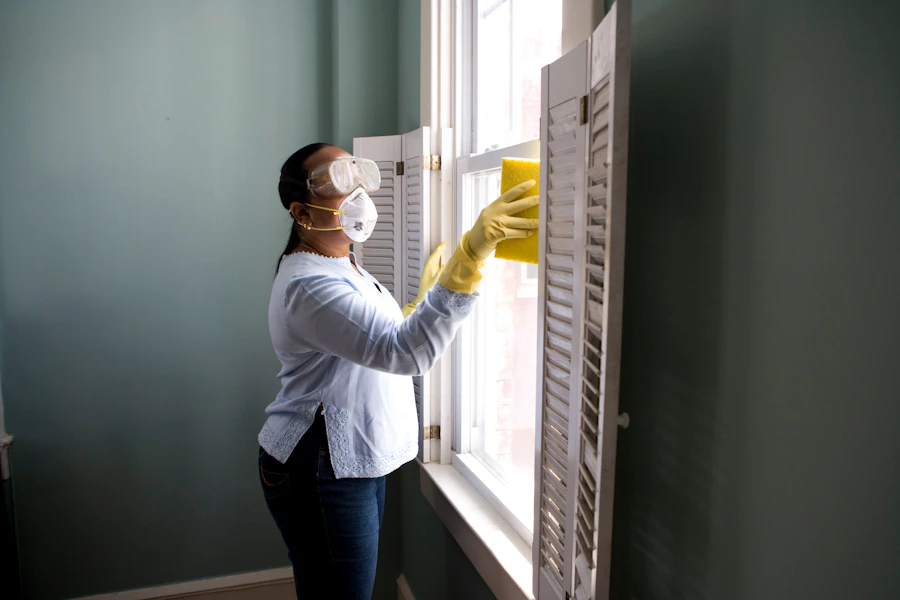
A second drywall layer adds mass — one of the most effective and affordable soundproofing upgrades
Here are the techniques that have real, measurable impact:
Mass blocks sound. The heavier and denser the wall, the harder it is for sound waves to push through it. Adding a second layer of 5/8" drywall over existing 1/2" drywall — with the seams offset — is one of the most cost-effective upgrades you can make. It bumps your STC by roughly 5–8 points, which is real-world audible improvement. For bedrooms adjacent to living rooms, or a home office next to a kitchen, double drywall alone is often enough.
Sound travels through solid connections. When drywall is screwed directly to studs, every vibration in the stud travels straight into the drywall and out the other side. Resilient channel (RC-1 or RC-2) is a thin metal strip that holds the drywall away from the stud, breaking that direct contact. Sound clips (like RSIC-1 clips) are a more expensive but more effective version of the same principle.
Done right, decoupling can add 10–15 STC points. Done wrong — screws accidentally touching the stud, called "short-circuiting" — it adds almost nothing. This is the technique that fails most often from poor installation.
MLV is a dense, flexible barrier material that gets sandwiched between layers of drywall or hung over existing walls before a new layer goes up. It's heavy — typically 1 lb per square foot — and adds significant mass without adding much thickness. It's commonly used in recording studios and home theaters, and it works well in Phoenix condos where adding wall thickness to both sides of a party wall isn't always practical.
It's available at Home Depot and Lowe's in the Valley. It's labor-intensive to hang because of the weight, but paired with a second drywall layer, it makes a noticeable difference.
Standard fiberglass batt insulation in the wall cavity helps — but only a little. Acoustic-specific insulation (mineral wool / Rockwool, or dense-pack cellulose) performs significantly better. If the wall is already open — during a remodel or after a plumbing repair — adding acoustic insulation is cheap insurance. If the wall is closed, adding insulation without opening it requires blowing in cellulose, which is a separate trade.
Insulation alone won't fix a noise problem, but it's a meaningful piece of the system.
Sound leaks through gaps like water through a cracked pipe. Electrical outlets, light switches, gaps around pipes, the space between the bottom plate and the subfloor — all of these are paths for sound to travel around your drywall investment entirely. Acoustic caulk (non-hardening putty pads for outlets, flexible caulk for seams) should be part of any serious soundproofing job. It's unglamorous but important.
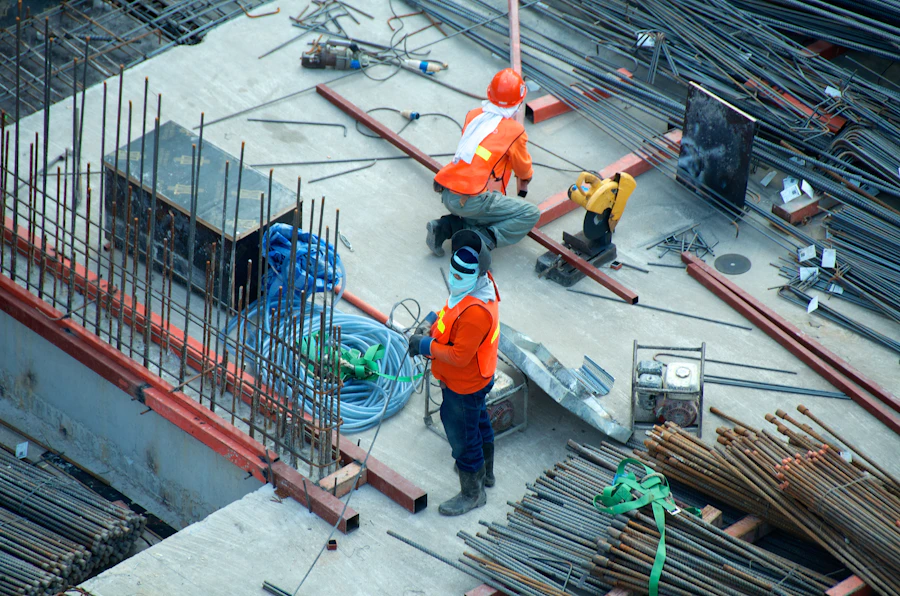
Getting the installation right matters as much as the materials
Foam panels and acoustic tiles: These treat the acoustics inside the room — reverb, echo, recording quality. They do not block sound from passing through a wall. If you want to reduce noise transmission to adjacent rooms, foam panels are the wrong tool entirely.
A single layer of "soundproof drywall": Products like QuietRock do work — they contain a damping compound between layers of gypsum and outperform standard drywall. But a single layer of QuietRock in an otherwise standard wall isn't a complete solution. It's a component that works best as part of a system (decoupled framing, MLV, sealed gaps). Treating it as a standalone fix usually disappoints.
Egg cartons and carpet on walls: These are acoustic diffusers at best, not sound barriers. They don't reduce noise transmission and they're a fire hazard.
A few things that come up more in the Valley than elsewhere:
A typical interior wall soundproofing project — adding MLV and a second drywall layer to one wall of a bedroom, for example — involves:
This is at minimum a two-day job — more if the wall is large, if multiple walls are involved, or if you're adding resilient channel (which requires removing the existing drywall first). The texture matching step matters: getting the finish right after a soundproofing project is often what makes or breaks the final result.
For more involved projects — a home theater, a recording space, a full bedroom soundproofing system — the drywall work is one component of a broader design. We handle the drywall portion; acoustical engineers and AV contractors handle the rest.

A properly finished soundproofing project looks no different than a standard wall — it just performs much better
Soundproofing drywall work is priced by the linear or square foot of wall involved. Adding a second drywall layer to a single bedroom wall typically runs $400–$900 depending on size, prep, and texture. A full room with MLV and double drywall on all four walls can run $2,500–$5,000+ depending on room size and finish requirements. Decoupled walls (resilient channel or clips) cost more because the existing drywall usually needs to come down first.
For accurate pricing, the best approach is a site visit — noise problems are specific to the construction and the source, and the right solution depends on seeing both.
Call, text, or use our instant quote tool. We answer questions directly — no runaround.
(480) 277-6884 ⚡ Instant Quote →Related: Drywall Installation Phoenix · Texture Matching · Back to Blog
External resources: Soundproofing Materials — Home Depot · Acoustic Insulation — Lowe's · QuietRock Panels — USG